
Hair loss and confidence: when to seek help
Why Seek Hair Loss Treatment – Restoring Confidence and Wellbeing


Why Seek Hair Loss Treatment – Restoring Confidence and Wellbeing
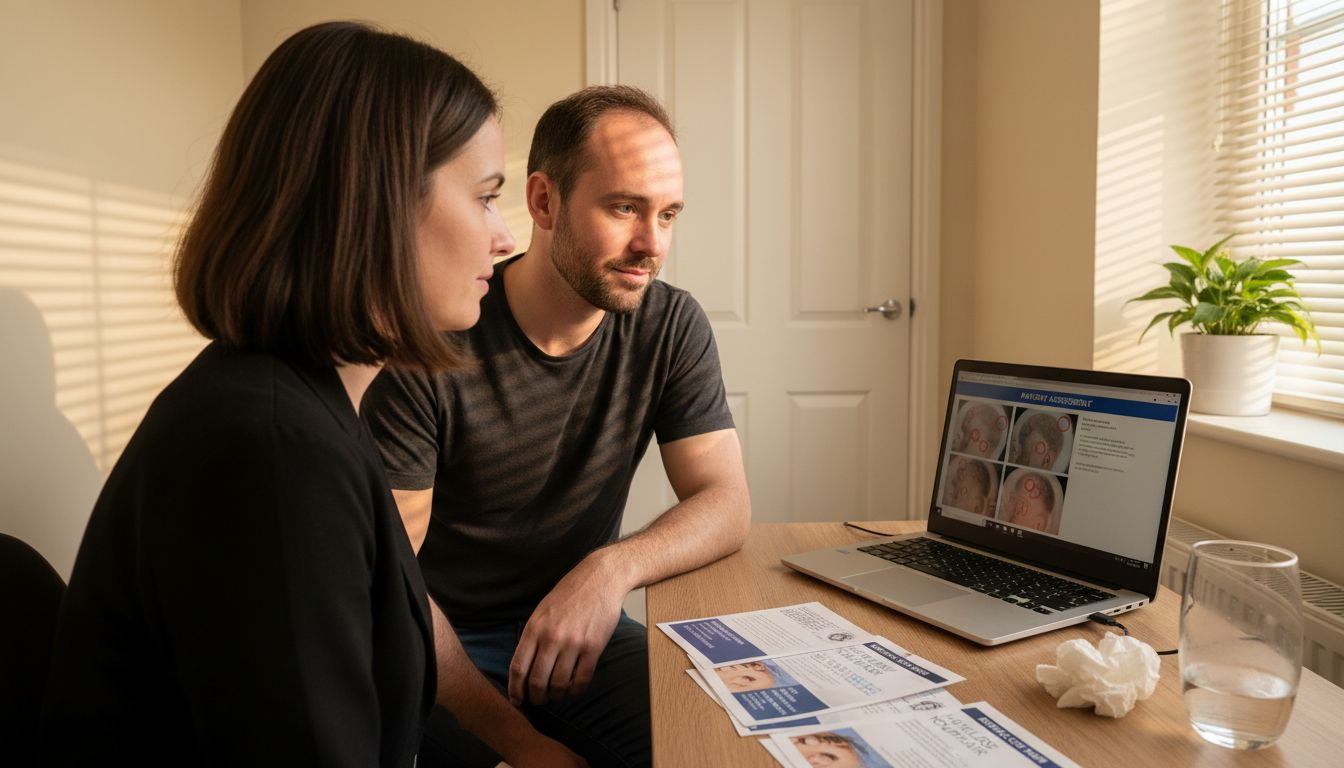
Worrying about your reflection or feeling less confident because your hair is thinning is a reality for many people in Glasgow. Hair loss can be triggered by genetics, ageing, hormonal changes, and chronic stress, all of which impact your hair’s natural growth cycle. Knowing what causes this change gives you the power to address early signs quickly. Explore how understanding these factors can open up solutions that restore both your hair and self-esteem.
Table of Contents
Key Takeaways
Hair loss and confidence: when to seek help
Hair loss affects people differently. Some want treatment, some prefer camouflage or a shorter hairstyle, and others are comfortable doing nothing. None of these choices says anything about a person's confidence, relationships or prospects.
A clinical assessment is useful when you want to understand the cause, when the pattern is changing or when hair loss is affecting your wellbeing. Treatment is a personal decision, not an obligation.
When to ask for medical advice
Gradual recession at the temples or thinning over the crown can fit male pattern hair loss. A widening parting or reduced density over the top of the scalp can fit female pattern hair loss. Other patterns need a broader assessment.
Speak to a GP or dermatologist if hair loss is sudden, patchy or accompanied by pain, marked itching, scaling, inflammation or scarring. Assessment is also sensible after a recent illness, major weight change, new medicine or other symptoms that could point to a medical cause. Our guide to the different types of alopecia explains why one diagnosis does not cover every form of hair loss.
Diagnosis comes before treatment
A consultation should cover the history and pattern of loss, scalp condition, family history, current medicines and relevant health factors. Blood tests may be appropriate when the history suggests an underlying condition or deficiency, but they are not required for every patient.
Pattern hair loss, temporary shedding, alopecia areata and scarring alopecia are managed differently. Surgery should not be planned until the cause is reasonably clear and the donor area has been examined. Men with gradual pattern loss can also read our guide to common causes of male hair loss; women can find dedicated information on female hair loss and transplant assessment.
Medical treatment for pattern hair loss
The NHS hair-loss guidance lists finasteride and minoxidil as the main treatments for male pattern baldness, and minoxidil may also be used for female pattern hair loss. They do not work for everyone and any benefit is generally maintained only while treatment continues.
Topical minoxidil can cause scalp irritation and temporary increased shedding when treatment begins. Suitability depends on the product, age, health history and the type of hair loss. Read the product information and ask a pharmacist, GP, dermatologist or other appropriate prescriber before starting or stopping treatment.
Finasteride for hair loss is a prescription medicine for men. The MHRA warns about low mood, depression, suicidal thoughts and sexual dysfunction. Anyone considering it should read the patient alert card and leaflet, tell the prescriber about any personal history of depression or suicidal thoughts and follow the safety advice if symptoms develop.
Finasteride is not licensed in the UK for female pattern hair loss, and the NHS advises women not to use it. It must not be used during pregnancy.
Do not take vitamins or minerals simply because a product is labelled for hair growth. A clinician can investigate a suspected deficiency and advise whether supplementation is needed. Taking several products without a diagnosis can add cost, side effects and medicine interactions without addressing the cause.
When a hair transplant may be considered
A transplant moves selected follicles from a donor area to an area of established loss. It may be considered when the diagnosis is suitable, the donor supply is strong enough and the planned result is realistic. It does not stop untreated native hair from continuing to thin, and no operation can guarantee a particular density.
FUE removes follicular units individually. FUT removes a narrow strip of donor-bearing scalp that is divided into grafts. The better option depends on the donor area, recipient area, hairstyle, scarring preferences and long-term graft plan rather than a claim that one method suits everyone.
The NHS hair transplant guide notes that transplanted hairs often shed after a few weeks, new growth may start at around four months and the final result may take roughly 10 to 18 months. A reputable consultation should cover surgical risks, aftercare, possible future loss, total cost and the limits of the available donor hair before a decision is made.
Hair loss and emotional wellbeing
Hair loss can be upsetting, but distress is not inevitable and surgery is not a mental-health treatment. Nobody should be told that they need a procedure to succeed at work, maintain a relationship or be taken seriously.
If worry about hair loss is affecting sleep, mood, social life or day-to-day functioning, speak to a GP. The NHS advises that counselling or a support group may help. Emotional support can be used alongside physical treatment, or without it.
Making a decision without pressure
Useful options may include monitoring with consistent photographs, changing a hairstyle, using fibres or a hair system, treating an identified medical cause, prescribed medication or surgery. The right choice depends on the diagnosis and what matters to the patient.
A consultation should provide time to ask questions and consider alternatives. It should not use shame, time pressure or promises of permanent confidence. To discuss diagnosis, donor-area suitability and realistic treatment choices, contact the Glasgow clinic.
This article provides general information and cannot diagnose the cause of hair loss or determine whether a medicine or procedure is suitable for you.
Understanding Hair Loss And Its Causes
Hair loss affects millions of people across Glasgow and beyond, yet many don’t understand why it happens. The truth is, hair loss rarely stems from a single cause—it’s usually a combination of factors working together.
Your hair follows a natural cycle. Each strand grows, rests, and eventually sheds to make way for new growth. When this cycle gets disrupted or hair follicles become damaged, hair loss accelerates. Understanding what disrupts this cycle is the first step toward finding the right treatment.
The Main Culprits Behind Hair Loss
Multiple factors contribute to hair loss:
- Genetics and family history: If baldness runs in your family, you’re more likely to experience it yourself
- Hormonal changes: Shifts in testosterone and other hormones affect hair growth cycles
- Aging: Natural decline in hair follicle function occurs with age
- Stress and lifestyle: Chronic stress inhibits hair follicle stem cells, preventing regrowth
- Nutritional deficiencies: Lack of essential vitamins and minerals weakens hair structure
- Medical conditions: Autoimmune diseases, thyroid disorders, and infections damage follicles
- Certain medications: Some treatments for other conditions have hair loss as a side effect
- Physical trauma: Burns, injuries, or tight hairstyles can harm follicles permanently
Hair loss isn’t always permanent—many causes respond well to early intervention and targeted treatment.
Why Age and Genetics Matter Most
For men and women aged 25-50 in Glasgow, male and female pattern baldness accounts for the majority of cases. These conditions are genetic, meaning your parents’ hair loss history strongly predicts your own.
Hormonal sensitivity also plays a role. Your genes determine whether your hair follicles respond to DHT (dihydrotestosterone), a hormone that shrinks follicles over time. This is why some people experience noticeable thinning in their 20s whilst others retain thick hair into their 70s.
Ageing naturally slows hair growth. Hair cycles lengthen, follicles shrink, and fewer new hairs replace those that shed. This process accelerates for some people more than others.
Stress, Health, and Hair Cycles
Research shows stress hormones directly affect hair growth by preventing growth-activating molecules from reaching follicles. Prolonged stress can push many hairs into the shedding phase simultaneously, resulting in noticeable thinning within weeks.

Other health factors matter just as much. Nutritional deficiencies—particularly iron, zinc, and B vitamins—starve hair follicles of essential nutrients. Thyroid disorders disrupt the hormonal balance required for healthy growth. Autoimmune conditions attack follicles directly, causing sudden patchy loss.
When Hair Loss Becomes Noticeable
Most people don’t realise they’re losing hair until it becomes visually apparent. By that time, significant follicle miniaturisation has already occurred. This is why early recognition matters—catching hair loss in its early stages opens more treatment options.
You might notice thinning at the hairline, a widening parting, or increased shedding when washing your hair. These are clear signals your hair cycle has been disrupted.
Pro tip: Take photos of your hairline and crown now—comparing them monthly helps you catch early hair loss before significant thinning becomes obvious, allowing you to explore treatment options sooner.
Medical And Surgical Treatment Options
Once you understand what’s causing your hair loss, treatment options become clearer. The good news is that several proven approaches can slow, halt, or even reverse hair loss depending on your situation and how early you catch it.
Treatment success depends on starting early and choosing the right option for your specific type of hair loss. Not every solution works for everyone, which is why personalised assessment matters so much.
Non-Surgical Medical Treatments
Medications like minoxidil and finasteride are proven to slow or partially reverse hair loss for many people. These work best when started early and continued consistently.
Common medical options include:
- Minoxidil (topical): Applied directly to the scalp, stimulates hair follicles and extends the growth phase
- Finasteride (oral): Blocks DHT production, preventing hormone-related follicle shrinkage
- PRP therapy: Platelet-rich plasma injections deliver growth factors directly to weakened follicles
- Low-level laser therapy: Uses specific wavelengths to stimulate dormant follicles
These treatments work best when combined with addressing underlying health issues. If nutritional deficiencies, stress, or thyroid problems contribute to your hair loss, treating those conditions simultaneously improves results.
Early intervention with medical treatments can prevent significant hair loss and preserve existing density for years.
Surgical Hair Restoration Solutions
For those with advanced hair loss or who haven’t responded to medical treatments, surgical hair transplantation offers permanent results. These procedures work by relocating healthy hair-bearing scalp to areas experiencing baldness.
Surgical options include:
- FUE (Follicular Unit Extraction): Individual hair follicles extracted and transplanted, ideal for those preferring minimal scarring
- FUT (Follicular Unit Transplantation): A strip of scalp is removed, divided into individual units, then transplanted
- Beard and eyebrow transplants: Restores facial hair density and definition
- Female hair transplants: Customised for women’s specific hair loss patterns and aesthetic goals
These procedures require stable donor hair—typically the back and sides of your scalp that are genetically resistant to baldness.
Why Timing Matters
Starting treatment early dramatically improves outcomes. When hair follicles are in early stages of miniaturisation, medical treatments can often restore them to full strength. Once follicles become completely dormant, surgical restoration becomes necessary.
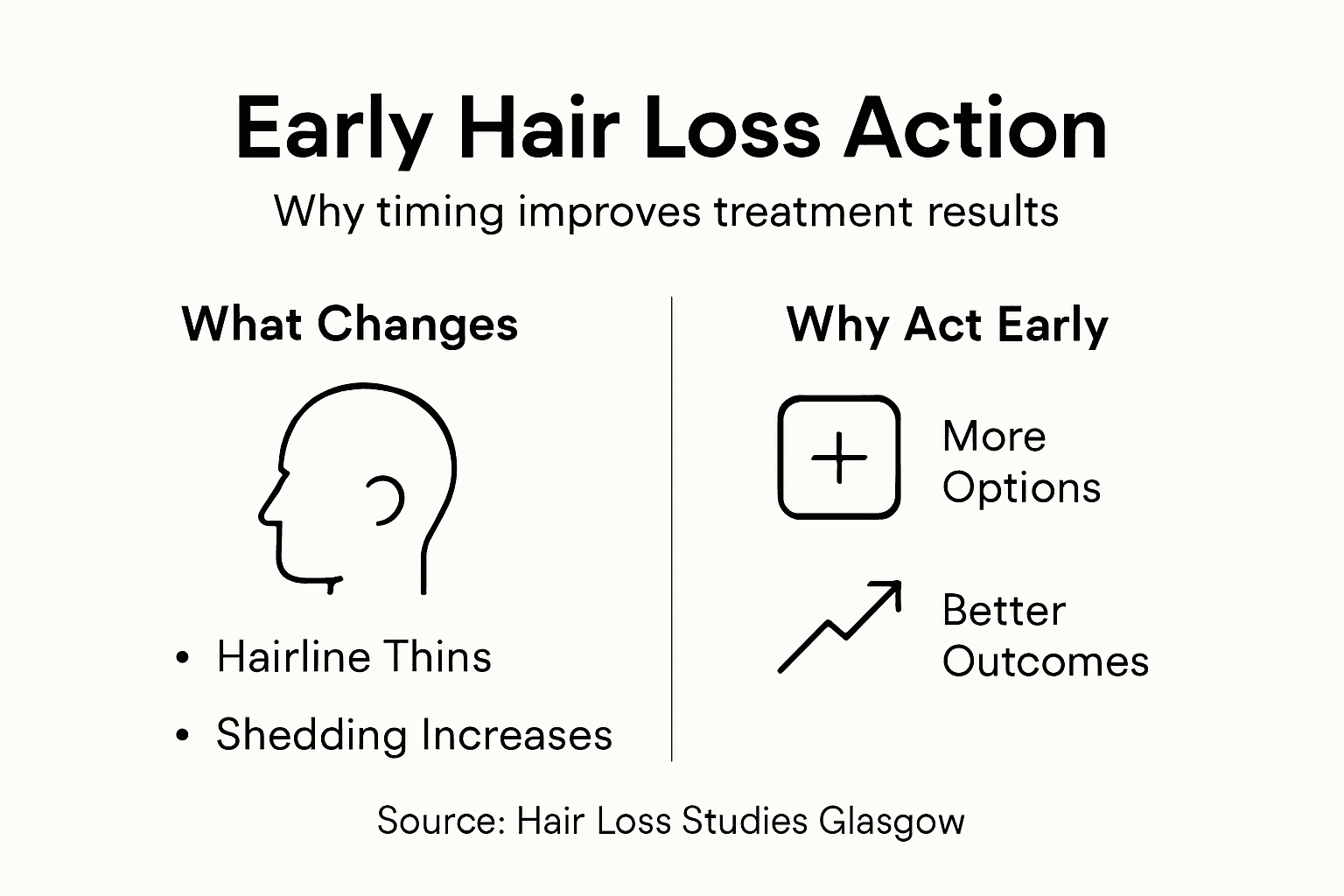
This is why recognising early hair loss signals—thinning at the hairline, increased shedding, or widening partings—matters so much. Waiting until significant loss occurs limits your options.
Personalised Treatment Planning
Your ideal treatment depends on several factors: the type and stage of your hair loss, your health status, aesthetic goals, and budget. A comprehensive consultation includes physical examination, blood tests if needed, and discussion of your expectations.
Some people benefit from combining approaches. Medical treatments can slow loss whilst preparing for surgical restoration. Others respond excellently to medication alone and never need surgery.
Pro tip: Book a free consultation before deciding on treatment—specialists can assess your specific situation, explain which options suit you best, and show realistic results based on your hair loss type and density.
Psychological Impact Of Untreated Hair Loss
Hair loss isn’t just a physical problem—it cuts deeply into emotional wellbeing. For many people in Glasgow experiencing thinning or baldness, the psychological effects can be just as damaging as the hair loss itself.
Your appearance shapes how you feel about yourself. When hair disappears, confidence often disappears with it. This isn’t vanity; it’s human nature to connect our looks with how we present ourselves to the world.
The Mental Health Connection
Hair loss often causes anxiety, depression, and social withdrawal due to changes in appearance and perceived social standing. The emotional impact can be surprisingly severe, especially when hair loss progresses rapidly or occurs at a young age.
Common psychological effects include:
- Reduced self-esteem: Visible thinning makes people feel less attractive and confident
- Social anxiety: Fear of judgment leads to avoidance of social situations, dating, or public appearances
- Depression: Persistent feelings of worthlessness tied directly to hair loss
- Obsessive thoughts: Constant checking of mirror, comparing yourself to others with full hair
- Relationship strain: Reduced intimacy and communication with partners
- Career impact: Decreased confidence affecting job performance and advancement
These aren’t exaggerations. Research confirms that untreated hair loss significantly damages quality of life and mental wellbeing.
The psychological burden of hair loss can be as debilitating as the physical loss itself, affecting every area of your life.
The Stress-Hair Loss Cycle
Here’s where it gets complicated: stress causes hair loss, and hair loss causes stress. Chronic stress linked to hair loss contributes to depression and anxiety, creating a vicious cycle that’s hard to break without intervention.
You lose hair due to stress. That loss triggers emotional distress. The distress worsens your stress levels. More stress causes more hair loss. Without treatment, this spiral intensifies.
Breaking this cycle requires addressing both the physical and emotional sides simultaneously. Medication can slow hair loss. Support and treatment can reduce psychological suffering. Together, they work far better than either alone.
Why Age 25-50 Feels Different
Hair loss hits differently depending on your life stage. At 25-40, you’re building career, relationships, and social standing. Hair loss threatens all of this simultaneously.
Unlike age-related baldness in older adults (which is more socially normalised), early-stage hair loss in your prime years feels like a personal failure. The shame and embarrassment isolate you from friends and potential partners.
Women experience particularly intense psychological distress. Cultural pressure around female beauty means hair loss carries a heavier emotional weight for many women than men.
Taking Action Restores More Than Hair
Treatment addresses the psychological impact as much as the physical one. Starting treatment—whether medical or surgical—restores hope and control. You’ve stopped being passive about the problem; you’re actively fixing it.
This psychological shift matters enormously. People report improved mood, renewed confidence, and better relationships simply from beginning treatment, even before results appear.
Here is a summary of psychological challenges often faced by those with untreated hair loss, alongside positive impacts observed after beginning treatment:
| Psychological Effect | Impact Without Treatment | Impact After Treatment Starts |
|---|---|---|
| Self-esteem | Often reduced confidence | Noticeable confidence boost |
| Social Life | Anxiety, avoidance, isolation | Increased engagement, openness |
| Mood | Low mood, possible depression | Improved mood, optimism |
| Mental Preoccupation | Constant worry, comparison | Sense of control returns |
| Relationships | Intimacy declines, tension | Communication, closeness improve |
Pro tip: Don’t wait until hair loss severely impacts your mental health—seek treatment early when options are greater and the psychological burden is lighter, giving you more emotional resources to cope during recovery.
Comparing Costs, Benefits And Alternatives
Choosing hair loss treatment means weighing cost against results. Different options suit different budgets, timelines, and expectations. Understanding what you’re paying for helps you make the right decision for your situation.
There’s no single “best” treatment. The best one is the one that fits your specific needs, budget, and hair loss stage. Let’s break down what each option actually costs and delivers.
Non-Surgical Treatment Costs
Medical treatments like minoxidil and finasteride are affordable upfront but require lifelong commitment. Monthly costs typically range from £15-50 depending on the medication and whether you use brand names or generics.
Key considerations for ongoing treatments:
- Monthly expense: Recurring cost for as long as you use the medication
- Consistency required: Missing doses reduces effectiveness significantly
- Side effects possible: Some people experience scalp irritation or, rarely, sexual side effects
- Results timeline: Typically 3-6 months before noticeable improvement
- Maintenance: Stopping treatment reverses gains within months
PRP therapy and low-level laser treatments cost £500-2000 per session, with multiple sessions needed. Results vary considerably depending on your hair loss stage.
Surgical Hair Transplant Investment
Hair transplantation costs significantly more upfront but delivers durable, permanent results. Procedures typically range from £4,000-15,000 depending on the technique and number of grafts needed.
Surgical benefits include:
- Permanent results: Transplanted hair continues growing for life
- One-time investment: No ongoing medication costs after healing
- Natural appearance: Modern techniques deliver undetectable results
- Sustained satisfaction: Long-term studies show high patient satisfaction over ten years
- Improved confidence: Psychological benefits extend far beyond the physical result
However, surgical outcomes depend on having stable donor hair and choosing an experienced surgeon.
To help you compare the main hair loss treatments, review this breakdown of key features and long-term considerations:
| Aspect | Medication (Minoxidil, Finasteride) | PRP & Laser Therapy | Hair Transplant |
|---|---|---|---|
| Upfront Cost | Low (£15-50/month) | Moderate (£500-2,000/session) | High (£4,000-£15,000) |
| Maintenance Needed | Daily, lifelong | Multiple yearly sessions | Rare, post-recovery care |
| Results Timeline | 3-6 months for effect | Varies, often 2-4 months | 9-12 months for full effect |
| Permanency | Results lost if stopped | Temporary; maintenance required | Permanent, lasting results |
| Suitability | Early/mild to moderate loss | Mild to moderate thinning | Advanced/localised loss |
| Side Effects | Possible sexual/scalp effects | Minor discomfort, rare issues | Surgical risks, scarring possible |
Cost-Benefit Analysis Over Time
Medication seems cheaper initially. But over 10 years, you’ll spend £1,800-6,000 on finasteride or minoxidil alone—without permanent results. Stop medication and you lose everything.
A £5,000 hair transplant becomes remarkably cost-effective when spread across a decade of permanent, growing hair. Many people view it as an investment in lasting confidence.
Alternatives Worth Considering
Emerging treatments like platelet-rich plasma vary in scientific support and cost, offering middle-ground options between medication and surgery.
Other approaches include:
- Nutritional support: Address deficiencies in iron, zinc, and B vitamins
- Stress management: Reduce chronic stress through exercise, meditation, counselling
- Scalp care: Use gentle products designed for thinning hair
- Lifestyle changes: Improve sleep, nutrition, and overall health
These alone rarely stop significant hair loss, but they complement medical or surgical treatments effectively.
Making Your Decision
Consider your hair loss stage, budget, and expectations. Early hair loss responds best to medication. Advanced loss typically requires surgery for noticeable results. Some people combine approaches for optimal outcomes.
The most cost-effective treatment is the one you’ll actually stick with—whether that’s daily medication or a one-time surgical investment.
Pro tip: Request a free consultation to receive a personalised cost breakdown and results estimate for your specific situation, allowing you to compare options with accurate figures rather than guessing.
Take Control of Your Hair Loss and Restore Your Confidence Today
Hair loss can deeply affect your self-esteem and emotional wellbeing, as this article clearly shows. If you have noticed thinning, increased shedding or changes in your hairline it is vital to act early. Whether your hair loss is due to genetics, stress, or hormonal changes, understanding the problem is the first step to finding an effective solution tailored to your needs. At Glasgow Hair Transplant Clinics, we specialise in personalised treatments ranging from non-surgical options like PRP therapy to advanced surgical procedures such as FUE and FUT transplants designed specifically for men and women.
Why wait for more hair loss to affect your confidence and wellbeing? Discover how our experienced surgeons and modern medical technology can help you regain your hair and peace of mind. Book a free consultation at Glasgow Hair Transplant Clinics now and take the first step towards restoring your appearance and emotional health. Learn more about our comprehensive hair restoration treatments today and start your journey to a fuller head of hair and renewed self-assurance.
Frequently Asked Questions
What are the main causes of hair loss?
Hair loss can result from a combination of factors including genetics, hormonal changes, aging, stress, nutritional deficiencies, medical conditions, medications, and physical trauma.
How can early intervention help with hair loss?
Early intervention is crucial as it often allows for more treatment options. Addressing hair loss in its initial stages can prevent significant loss and help preserve existing hair density through medical treatments.
What non-surgical treatments are available for hair loss?
Non-surgical treatments include minoxidil (topical), finasteride (oral), PRP therapy, and low-level laser therapy, which can slow down or partially reverse hair loss, especially when started early.
What psychological effects can untreated hair loss have?
Untreated hair loss can lead to reduced self-esteem, social anxiety, depression, obsessive thoughts about appearance, strained relationships, and an overall decrease in quality of life.
Recommended
Certifications




Why Seek Hair Loss Treatment – Restoring Confidence and Wellbeing
Table of Contents

- Understanding Hair Loss And Its Causes
- Medical And Surgical Treatment Options
- Psychological Impact Of Untreated Hair Loss
- Comparing Costs, Benefits And Alternatives
Hair loss and confidence: when to seek help
Hair loss affects people differently. Some want treatment, some prefer camouflage or a shorter hairstyle, and others are comfortable doing nothing. None of these choices says anything about a person's confidence, relationships or prospects.
A clinical assessment is useful when you want to understand the cause, when the pattern is changing or when hair loss is affecting your wellbeing. Treatment is a personal decision, not an obligation.
When to ask for medical advice
Gradual recession at the temples or thinning over the crown can fit male pattern hair loss. A widening parting or reduced density over the top of the scalp can fit female pattern hair loss. Other patterns need a broader assessment.
Speak to a GP or dermatologist if hair loss is sudden, patchy or accompanied by pain, marked itching, scaling, inflammation or scarring. Assessment is also sensible after a recent illness, major weight change, new medicine or other symptoms that could point to a medical cause. Our guide to the different types of alopecia explains why one diagnosis does not cover every form of hair loss.
Diagnosis comes before treatment
A consultation should cover the history and pattern of loss, scalp condition, family history, current medicines and relevant health factors. Blood tests may be appropriate when the history suggests an underlying condition or deficiency, but they are not required for every patient.
Pattern hair loss, temporary shedding, alopecia areata and scarring alopecia are managed differently. Surgery should not be planned until the cause is reasonably clear and the donor area has been examined. Men with gradual pattern loss can also read our guide to common causes of male hair loss; women can find dedicated information on female hair loss and transplant assessment.
Medical treatment for pattern hair loss
The NHS hair-loss guidance lists finasteride and minoxidil as the main treatments for male pattern baldness, and minoxidil may also be used for female pattern hair loss. They do not work for everyone and any benefit is generally maintained only while treatment continues.
Topical minoxidil can cause scalp irritation and temporary increased shedding when treatment begins. Suitability depends on the product, age, health history and the type of hair loss. Read the product information and ask a pharmacist, GP, dermatologist or other appropriate prescriber before starting or stopping treatment.
Finasteride for hair loss is a prescription medicine for men. The MHRA warns about low mood, depression, suicidal thoughts and sexual dysfunction. Anyone considering it should read the patient alert card and leaflet, tell the prescriber about any personal history of depression or suicidal thoughts and follow the safety advice if symptoms develop.
Finasteride is not licensed in the UK for female pattern hair loss, and the NHS advises women not to use it. It must not be used during pregnancy.
Do not take vitamins or minerals simply because a product is labelled for hair growth. A clinician can investigate a suspected deficiency and advise whether supplementation is needed. Taking several products without a diagnosis can add cost, side effects and medicine interactions without addressing the cause.
When a hair transplant may be considered
A transplant moves selected follicles from a donor area to an area of established loss. It may be considered when the diagnosis is suitable, the donor supply is strong enough and the planned result is realistic. It does not stop untreated native hair from continuing to thin, and no operation can guarantee a particular density.
FUE removes follicular units individually. FUT removes a narrow strip of donor-bearing scalp that is divided into grafts. The better option depends on the donor area, recipient area, hairstyle, scarring preferences and long-term graft plan rather than a claim that one method suits everyone.
The NHS hair transplant guide notes that transplanted hairs often shed after a few weeks, new growth may start at around four months and the final result may take roughly 10 to 18 months. A reputable consultation should cover surgical risks, aftercare, possible future loss, total cost and the limits of the available donor hair before a decision is made.
Hair loss and emotional wellbeing
Hair loss can be upsetting, but distress is not inevitable and surgery is not a mental-health treatment. Nobody should be told that they need a procedure to succeed at work, maintain a relationship or be taken seriously.
If worry about hair loss is affecting sleep, mood, social life or day-to-day functioning, speak to a GP. The NHS advises that counselling or a support group may help. Emotional support can be used alongside physical treatment, or without it.
Making a decision without pressure
Useful options may include monitoring with consistent photographs, changing a hairstyle, using fibres or a hair system, treating an identified medical cause, prescribed medication or surgery. The right choice depends on the diagnosis and what matters to the patient.
A consultation should provide time to ask questions and consider alternatives. It should not use shame, time pressure or promises of permanent confidence. To discuss diagnosis, donor-area suitability and realistic treatment choices, contact the Glasgow clinic.
Questions and answers
Do I have to treat hair loss?
No. Treatment is a personal choice. An assessment can explain the cause and available options without committing you to a procedure or medicine.
Can I ask for help if the hair loss seems small to other people?
Yes. Explain how the change is affecting you as well as what you can see. Your concerns deserve a discussion even if somebody else judges the visible loss differently.
Will surgery resolve every concern about my appearance?
No procedure can promise that. Discuss your expectations openly, including what you hope would change in everyday life. Treatment limitations and support for distress should be considered alongside the physical hair loss.
About the author
Dr Harpreet Kalra is a GP and hair-transplant surgeon at Glasgow Hair Transplant Clinics. His consultations consider the diagnosis, donor area, existing hair and likely future pattern before treatment is discussed.
Talk to our Glasgow team about hair loss
A confidential consultation can help you understand the cause, review realistic options and decide what feels right for you.
Book a Free Consultation