

Hair transplant preparation and aftercare: before and after surgery
Good preparation starts with the instructions supplied for your own procedure. Hair transplant techniques, anaesthesia, medication and dressings differ, so advice from your surgeon and prescriber must take priority over a general online checklist.


What should you do before and after hair transplant?
Certifications




Before surgery, you need clear instructions on medicines, supplements, washing and the first days of recovery. Afterwards, the priority is protecting the grafts while the scalp heals. For a day-by-day account, see our hair transplant aftercare guide and recovery and growth timeline.
Before the procedure
Give the clinic a complete medication list
Tell the surgical team about every prescribed medicine, over-the-counter product, vitamin, herbal preparation and dietary supplement you take. Include allergies, previous reactions to local anaesthetic and any relevant medical conditions. NHS pre-operative guidance advises patients to bring this information to their assessment.
Do not stop aspirin, anti-inflammatory medicines, blood thinners or any other prescribed treatment on your own. If something needs to be paused or changed, the surgeon and the clinician who prescribed it should agree the timing with you. The same applies to finasteride, minoxidil and treatments used for an unrelated condition.
Discuss supplements rather than assuming they are harmless
Guy's and St Thomas' NHS Foundation Trust warns that herbal products and dietary supplements can affect clotting, interact with medicines or affect wound healing, and recommends stopping all of them for at least two weeks before elective surgery. Tell the clinic exactly what you use, including anything marketed for hair growth. Ask the surgical team how this general guidance applies to you before stopping or restarting anything, and do not alter prescribed treatment without agreement from the clinician who prescribed it.
Report changes in your health
Contact the clinic if you develop an infection, fever, significant scalp irritation or another change in health before surgery. The team needs this information to decide whether treatment can proceed safely. Follow its advice on smoking, alcohol, caffeine, food, hair washing and products; the details may differ according to the procedure and any sedation used.
Plan the journey home
Ask in advance whether you may drive after treatment. If sedation is planned, arrange for a responsible adult to collect you and follow the discharge advice about driving, work and supervision at home.
Immediately after a hair transplant
Before leaving the clinic, make sure you have written instructions for washing, sprays or dressings, approved pain relief, sleeping position, exercise and follow-up. Keep the clinic's contact details available. Take only medication that has been prescribed or approved for you.
New grafts must be protected from rubbing, scratching and pressure. The NHS hair transplant guide describes a typical recovery in which dressings may be removed after two to five days and gentle hand washing may begin around day six, but these are general timings. Use the schedule given by the team that performed your procedure.
Washing, sleep and activity
Do not test the grafts by touching them or direct a strong shower jet at the recipient area. Begin gentle washing only when instructed, use the recommended products and allow crusts to loosen through the approved washing routine. Do not pick them.
Sleep in the position advised by the clinic and keep the treated area away from bedding. Some forehead or facial swelling can occur. Pause strenuous exercise, contact sport, swimming, saunas and heavy sweating until the team confirms that they are safe. Ask before wearing a hat or exposing the healing scalp to strong sunlight.
What happens during recovery
Redness, tenderness and crusting can occur early in recovery. The visible transplanted hairs often shed after a few weeks; this does not necessarily mean that the follicles have been lost. The NHS advises that new hair may begin to appear at around four months and that the final result can take roughly 10 to 18 months to develop. Timing varies between patients.
Contact the clinic promptly about heavy or persistent bleeding, worsening pain, spreading redness or heat, pus, fever, rapidly increasing swelling or an injury to the grafts. Call 999 for emergency allergy symptoms such as swelling of the lips, mouth, throat or tongue, or difficulty breathing. Seek urgent medical help whenever you are seriously unwell.
Vitamins and hair-loss medication after surgery
A routine course of “hair vitamins” is not an automatic part of transplant aftercare. Supplements may be appropriate when a clinician has identified a deficiency or another medical reason, but more is not necessarily better. Do not start vitamin E, herbal products or a multi-supplement programme during recovery without checking with the surgeon or prescriber.
Finasteride or minoxidil may be discussed to manage suitable native hair; they do not replace graft aftercare. Whether to start, stop or resume either treatment should be decided for the individual patient. The MHRA warns that finasteride is associated with depression, suicidal thoughts and sexual dysfunction, and that sexual side effects may persist after treatment is stopped. Read and keep the alert card and patient leaflet, and tell your prescriber about any personal history of depression or suicidal thoughts. Anyone taking finasteride 1 mg for hair loss who develops depression or suicidal thoughts should stop it immediately and contact their doctor as soon as possible. Call 999 if there is an immediate risk of serious harm, and contact your doctor if sexual dysfunction occurs.
If any part of your written plan is unclear, contact the clinic before improvising. Patients treated elsewhere should obtain aftercare from the team that performed their surgery.
Questions and answers
Should I stop my usual medicines before surgery?
Do not stop prescribed treatment on your own. Give the clinic a complete medicine and supplement list so your surgical team can provide individual instructions.
Can I use a general online washing schedule after my transplant?
Follow the instructions supplied by your treating team. Timing and technique can depend on the procedure and your recovery; contact the clinic if instructions are unclear or seem inconsistent.
When can I return to exercise?
Discuss each activity with your team. Walking, strenuous exercise, swimming and contact sport involve different demands, so one return date does not cover them all.
About the author
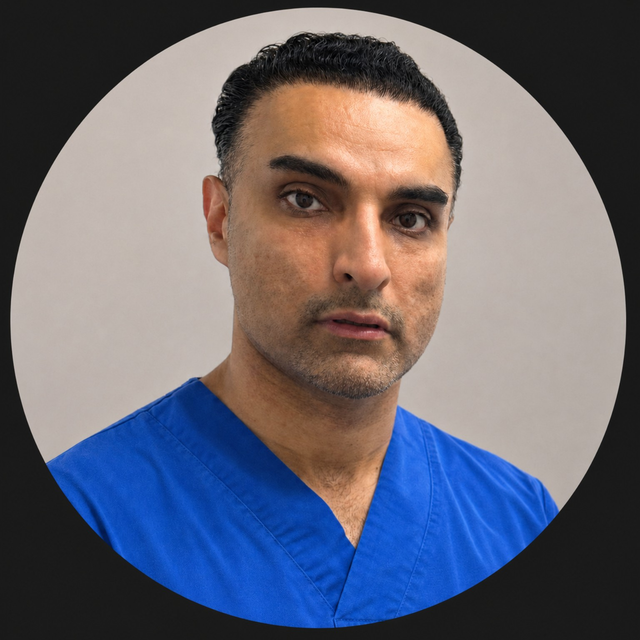
Dr Harpreet Kalra is a GP and hair-transplant surgeon at Glasgow Hair Transplant Clinics. His consultations consider the diagnosis, donor area, existing hair and likely future pattern before treatment is discussed.
Discuss your treatment and aftercare
Our Glasgow team can explain preparation, recovery and the instructions that apply to your planned procedure.
Book a Free ConsultationAdd your custom HTML here

Hair transplant preparation and aftercare: before and after surgery
Good preparation starts with the instructions supplied for your own procedure. Hair transplant techniques, anaesthesia, medication and dressings differ, so advice from your surgeon and prescriber must take priority over a general online checklist.
Before surgery, you need clear instructions on medicines, supplements, washing and the first days of recovery. Afterwards, the priority is protecting the grafts while the scalp heals. For a day-by-day account, see our hair transplant aftercare guide and recovery and growth timeline.
Before the procedure
Give the clinic a complete medication list
Tell the surgical team about every prescribed medicine, over-the-counter product, vitamin, herbal preparation and dietary supplement you take. Include allergies, previous reactions to local anaesthetic and any relevant medical conditions. NHS pre-operative guidance advises patients to bring this information to their assessment.
Do not stop aspirin, anti-inflammatory medicines, blood thinners or any other prescribed treatment on your own. If something needs to be paused or changed, the surgeon and the clinician who prescribed it should agree the timing with you. The same applies to finasteride, minoxidil and treatments used for an unrelated condition.
Discuss supplements rather than assuming they are harmless
Guy's and St Thomas' NHS Foundation Trust warns that herbal products and dietary supplements can affect clotting, interact with medicines or affect wound healing, and recommends stopping all of them for at least two weeks before elective surgery. Tell the clinic exactly what you use, including anything marketed for hair growth. Ask the surgical team how this general guidance applies to you before stopping or restarting anything, and do not alter prescribed treatment without agreement from the clinician who prescribed it.
Report changes in your health
Contact the clinic if you develop an infection, fever, significant scalp irritation or another change in health before surgery. The team needs this information to decide whether treatment can proceed safely. Follow its advice on smoking, alcohol, caffeine, food, hair washing and products; the details may differ according to the procedure and any sedation used.
Plan the journey home
Ask in advance whether you may drive after treatment. If sedation is planned, arrange for a responsible adult to collect you and follow the discharge advice about driving, work and supervision at home.
Immediately after a hair transplant
Before leaving the clinic, make sure you have written instructions for washing, sprays or dressings, approved pain relief, sleeping position, exercise and follow-up. Keep the clinic's contact details available. Take only medication that has been prescribed or approved for you.
New grafts must be protected from rubbing, scratching and pressure. The NHS hair transplant guide describes a typical recovery in which dressings may be removed after two to five days and gentle hand washing may begin around day six, but these are general timings. Use the schedule given by the team that performed your procedure.
Washing, sleep and activity
Do not test the grafts by touching them or direct a strong shower jet at the recipient area. Begin gentle washing only when instructed, use the recommended products and allow crusts to loosen through the approved washing routine. Do not pick them.
Sleep in the position advised by the clinic and keep the treated area away from bedding. Some forehead or facial swelling can occur. Pause strenuous exercise, contact sport, swimming, saunas and heavy sweating until the team confirms that they are safe. Ask before wearing a hat or exposing the healing scalp to strong sunlight.
What happens during recovery
Redness, tenderness and crusting can occur early in recovery. The visible transplanted hairs often shed after a few weeks; this does not necessarily mean that the follicles have been lost. The NHS advises that new hair may begin to appear at around four months and that the final result can take roughly 10 to 18 months to develop. Timing varies between patients.
Contact the clinic promptly about heavy or persistent bleeding, worsening pain, spreading redness or heat, pus, fever, rapidly increasing swelling or an injury to the grafts. Call 999 for emergency allergy symptoms such as swelling of the lips, mouth, throat or tongue, or difficulty breathing. Seek urgent medical help whenever you are seriously unwell.
Vitamins and hair-loss medication after surgery
A routine course of “hair vitamins” is not an automatic part of transplant aftercare. Supplements may be appropriate when a clinician has identified a deficiency or another medical reason, but more is not necessarily better. Do not start vitamin E, herbal products or a multi-supplement programme during recovery without checking with the surgeon or prescriber.
Finasteride or minoxidil may be discussed to manage suitable native hair; they do not replace graft aftercare. Whether to start, stop or resume either treatment should be decided for the individual patient. The MHRA warns that finasteride is associated with depression, suicidal thoughts and sexual dysfunction, and that sexual side effects may persist after treatment is stopped. Read and keep the alert card and patient leaflet, and tell your prescriber about any personal history of depression or suicidal thoughts. Anyone taking finasteride 1 mg for hair loss who develops depression or suicidal thoughts should stop it immediately and contact their doctor as soon as possible. Call 999 if there is an immediate risk of serious harm, and contact your doctor if sexual dysfunction occurs.
If any part of your written plan is unclear, contact the clinic before improvising. Patients treated elsewhere should obtain aftercare from the team that performed their surgery.
This article provides general information and is not a substitute for the instructions supplied for your own procedure or an individual medical assessment.
About the author
Dr Harpreet Kalra is a GP and hair-transplant surgeon at Glasgow Hair Transplant Clinics. His consultations consider the diagnosis, donor area, existing hair and likely future pattern before treatment is discussed.
Hair transplant preparation and aftercare: before and after surgery
Good preparation starts with the instructions supplied for your own procedure. Hair transplant techniques, anaesthesia, medication and dressings differ, so advice from your surgeon and prescriber must take priority over a general online checklist.
Certifications
Before surgery, you need clear instructions on medicines, supplements, washing and the first days of recovery. Afterwards, the priority is protecting the grafts while the scalp heals. For a day-by-day account, see our hair transplant aftercare guide and recovery and growth timeline.
Before the procedure
Give the clinic a complete medication list
Tell the surgical team about every prescribed medicine, over-the-counter product, vitamin, herbal preparation and dietary supplement you take. Include allergies, previous reactions to local anaesthetic and any relevant medical conditions. NHS pre-operative guidance advises patients to bring this information to their assessment.
Do not stop aspirin, anti-inflammatory medicines, blood thinners or any other prescribed treatment on your own. If something needs to be paused or changed, the surgeon and the clinician who prescribed it should agree the timing with you. The same applies to finasteride, minoxidil and treatments used for an unrelated condition.
Discuss supplements rather than assuming they are harmless
Guy's and St Thomas' NHS Foundation Trust warns that herbal products and dietary supplements can affect clotting, interact with medicines or affect wound healing, and recommends stopping all of them for at least two weeks before elective surgery. Tell the clinic exactly what you use, including anything marketed for hair growth. Ask the surgical team how this general guidance applies to you before stopping or restarting anything, and do not alter prescribed treatment without agreement from the clinician who prescribed it.
Report changes in your health
Contact the clinic if you develop an infection, fever, significant scalp irritation or another change in health before surgery. The team needs this information to decide whether treatment can proceed safely. Follow its advice on smoking, alcohol, caffeine, food, hair washing and products; the details may differ according to the procedure and any sedation used.
Plan the journey home
Ask in advance whether you may drive after treatment. If sedation is planned, arrange for a responsible adult to collect you and follow the discharge advice about driving, work and supervision at home.
Immediately after a hair transplant
Before leaving the clinic, make sure you have written instructions for washing, sprays or dressings, approved pain relief, sleeping position, exercise and follow-up. Keep the clinic's contact details available. Take only medication that has been prescribed or approved for you.
New grafts must be protected from rubbing, scratching and pressure. The NHS hair transplant guide describes a typical recovery in which dressings may be removed after two to five days and gentle hand washing may begin around day six, but these are general timings. Use the schedule given by the team that performed your procedure.
Washing, sleep and activity
Do not test the grafts by touching them or direct a strong shower jet at the recipient area. Begin gentle washing only when instructed, use the recommended products and allow crusts to loosen through the approved washing routine. Do not pick them.
Sleep in the position advised by the clinic and keep the treated area away from bedding. Some forehead or facial swelling can occur. Pause strenuous exercise, contact sport, swimming, saunas and heavy sweating until the team confirms that they are safe. Ask before wearing a hat or exposing the healing scalp to strong sunlight.
What happens during recovery
Redness, tenderness and crusting can occur early in recovery. The visible transplanted hairs often shed after a few weeks; this does not necessarily mean that the follicles have been lost. The NHS advises that new hair may begin to appear at around four months and that the final result can take roughly 10 to 18 months to develop. Timing varies between patients.
Contact the clinic promptly about heavy or persistent bleeding, worsening pain, spreading redness or heat, pus, fever, rapidly increasing swelling or an injury to the grafts. Call 999 for emergency allergy symptoms such as swelling of the lips, mouth, throat or tongue, or difficulty breathing. Seek urgent medical help whenever you are seriously unwell.
Vitamins and hair-loss medication after surgery
A routine course of “hair vitamins” is not an automatic part of transplant aftercare. Supplements may be appropriate when a clinician has identified a deficiency or another medical reason, but more is not necessarily better. Do not start vitamin E, herbal products or a multi-supplement programme during recovery without checking with the surgeon or prescriber.
Finasteride or minoxidil may be discussed to manage suitable native hair; they do not replace graft aftercare. Whether to start, stop or resume either treatment should be decided for the individual patient. The MHRA warns that finasteride is associated with depression, suicidal thoughts and sexual dysfunction, and that sexual side effects may persist after treatment is stopped. Read and keep the alert card and patient leaflet, and tell your prescriber about any personal history of depression or suicidal thoughts. Anyone taking finasteride 1 mg for hair loss who develops depression or suicidal thoughts should stop it immediately and contact their doctor as soon as possible. Call 999 if there is an immediate risk of serious harm, and contact your doctor if sexual dysfunction occurs.
If any part of your written plan is unclear, contact the clinic before improvising. Patients treated elsewhere should obtain aftercare from the team that performed their surgery.
This article provides general information and is not a substitute for the instructions supplied for your own procedure or an individual medical assessment.
About the author
Dr Harpreet Kalra is a GP and hair-transplant surgeon at Glasgow Hair Transplant Clinics. His consultations consider the diagnosis, donor area, existing hair and likely future pattern before treatment is discussed.
Discuss your treatment and aftercare
Our Glasgow team can explain preparation, recovery and the instructions that apply to your planned procedure.
Book a Free Consultation