Mo Salah’s hair transformation: did he undergo a hair transplant?
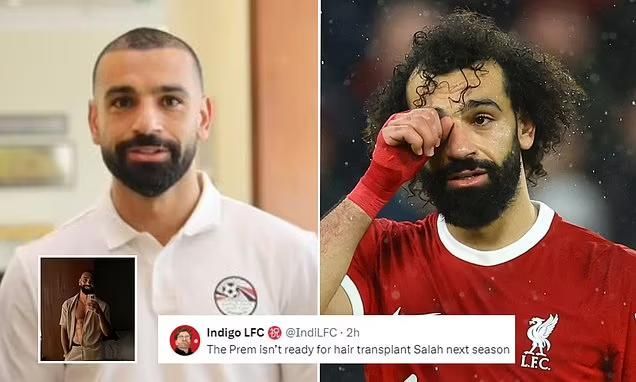
Mohamed Salah, widely recognized for his incredible skills on the football field, has also captured attention for his evolving appearance, particularly his hair. The Egyptian forward, who plays for Liverpool, has been at the center of speculation regarding a potential hair transplant. In this blog post, we explore the changes in Mo Salah’s hair, the reasons behind the speculation, and the broader context of hair transplants among athletes. The Evolution of Mo Salah’s Hair When Mo Salah first burst onto the scene, his hair was notably thinner and less dense than it appears today. Over the years, fans and media alike have observed a transformation in his hair, noting an increase in thickness and fullness. This significant change has led many to speculate that Salah may have undergone a hair transplant. What is a hair transplant? A hair transplant is a cosmetic procedure where hair follicles are moved from one part of the body (usually the back or sides of the head) to the balding or thinning areas. There are two primary techniques: What is a FUT hair transplant? 1. Follicular Unit Transplantation (FUT) is an invasive surgical procedure used to treat the most extreme cases of hair loss. This treatment looks to take long strips of donor’s hairs, separate these into smaller follicular units, and implant them into the affected area. Follicular Unit Transplantation is one of the long-standing bastions of hair transplant surgery. Often called the “strip harvesting method, ” this treatment is well suited to treating conditions such as male pattern baldness and androgenetic alopecia. This surgical procedure extracts a long strip of hair follicles by making a small incision into your donor site on the back of your scalp. After taking this strip, your donor’s hairs are then put under a microscope and intricately separated into smaller groups of individual follicular units (or “hair grafts”). Then, these small follicular units are implanted into your affected area. If you are worried about experiencing pain during the surgery, let us put you at ease. Not only are all of our treatments carried out by Dr Harpreet Kalra and Dr. Fotis GMC-registered doctors, but they are performed in CQC-registered clinics. Our doctors perform surgerys across the UK including our prestigious harley street clinic in centeal London.During your surgery, you will be given a local anaesthetic. You won’t feel a thing! What is a FUE hair transplant? 2. The FUE transplant procedure looks to take anywhere between 1,000-6,000 individual hair follicles from the donor area and implant them onto the balding/thinning area of your scalp. This treatment, conducted by one of our hair restoration surgeons, in essence, “transports” hair that doesn’t get affected by the hormone DHT (which is one of the main causes of hair loss) onto the area of your scalp that requires hair, thus leaving a natural result as it is your own hair that is used. How does a DHI hair transplant work ? 3. If you require a reshaping of the hairline, the surgeon may mark out the recipient area with a marker pen. This may help to bring the hairline down to a typical length of the eyebrows (5-7cm) The doctor will design the hairline with a marker pen when needed whilst discussing this with the patient and making sure that they are happy. The nurses/technicians will shave the patient’s donor area in order to be prepped for the procedure. The doctor will then administer the local anesthetic to numb the area and make the patient feel comfortable during the procedure. The surgeon will then begin extracting one graft at a time from the donor area using the Choi pen and hand it to the technician, which will pass another Choi pen to the next graft. • After the procedure, the hair transplant surgeon will bandage your head and provide you with an antibiotic cream for use in the future date. For more information on aftercare, why not read our aftercare page? All three methods aim to provide a natural-looking solution to hair loss, which can significantly improve the patient’s confidence and appearance. Evidence Supporting the Hair Transplant Theory Several factors have fueled the rumors about Mo Salah’s potential hair transplant: 1. Visible Change in Hair Density: Comparisons of Salah’s photos from earlier in his career to more recent images show a noticeable increase in hair density. 2. Consistency with Hair Transplant Results: The natural- looking density and coverage seen in Salah’s hair align with the results commonly achieved through modern hair transplant techniques. 3. Common Practice Among Celebrities: Many high-profile athletes and celebrities have undergone hair transplants to combat hair loss, making it a plausible choice for someone in the public eye like Salah. Why Athletes Opt for Hair Transplants For professional athletes, maintaining a youthful and vigorous appearance can be crucial, both for personal confidence and public image. The demands of constant media exposure, coupled with the desire to look their best on and off the field, lead many athletes to consider hair restoration treatments. Hair transplants offer a permanent solution, allowing them to regain a fuller head of hair with minimal downtime. The Impact of Hair Transplants Beyond the aesthetic benefits, hair transplants can have a significant psychological impact. Increased confidence and self-esteem are common outcomes, helping individuals feel better about their appearance. For someone like Mo Salah, who is constantly in the spotlight, such a transformation can be particularly valuable. Conclusion While Mohamed Salah has not publicly confirmed whether he has undergone a hair transplant, the visible changes in his hair have sparked widespread speculation. Whether through a hair transplant or natural means, Salah’s new look has undoubtedly contributed to his image as one of football’s most recognizable stars. As hair transplants continue to gain popularity among celebrities and athletes, it remains a viable option for anyone looking to combat hair loss and enhance their appearance. What do you think about Mo Salah’s hair transformation? Do you believe he underwent a hair transplant, or could it be the result of other factors?

Mo Salah’s Hair Transformation:
Did He Undergo a Hair Transplant?
Mohamed Salah, widely recognized
for his incredible skills on the
football field, has also captured
attention for his evolving
appearance, particularly his hair.
The Egyptian forward, who plays
for Liverpool, has been at the
center of speculation regarding a
potential hair transplant. In this
blog post, we explore the changes
in Mo Salah’s hair, the reasons
behind the speculation, and the
broader context of hair transplants
among athletes.
The Evolution of Mo Salah’s Hair
When Mo Salah first burst onto the
scene, his hair was notably thinner
and less dense than it appears
today. Over the years, fans and
media alike have observed a
transformation in his hair, noting
an increase in thickness and
fullness. This significant change
has led many to speculate that
Salah may have undergone a hair
transplant.
What is a hair transplant?
A hair transplant is a cosmetic
procedure where hair follicles are
moved from one part of the body
(usually the back or sides of the
head) to the balding or thinning
areas. There are two primary
techniques:
What is a FUT hair transplant?
1. Follicular Unit Transplantation
(FUT) is an invasive surgical
procedure used to treat the
most extreme cases of hair loss.
This treatment looks to take
long strips of donor’s hairs,
separate these into smaller
follicular units, and implant
them into the affected area.
Follicular Unit Transplantation is
one of the long-standing bastions
of hair transplant surgery. Often
called the “strip harvesting
method,
” this treatment is well
suited to treating conditions such
as male pattern baldness and
androgenetic alopecia.
This surgical procedure extracts a
long strip of hair follicles by
making a small incision into your
donor site on the back of your
scalp. After taking this strip, your
donor’s hairs are then put under a
microscope and intricately
separated into smaller groups of
individual follicular units (or “hair
grafts”). Then, these small
follicular units are implanted into
your affected area.
If you are worried about
experiencing pain during the
surgery, let us put you at ease. Not
only are all of our treatments
carried out by Dr Harpreet Kalra and Dr. Fotis GMC-registered
doctors, but they are performed in
CQC-registered clinics. Our doctors perform surgerys across the UK including our prestigious harley street clinic in centeal London.During
your surgery, you will be given a
local anaesthetic. You won’t feel a
thing!
What is a FUE hair transplant?
2. The FUE transplant procedure
looks to take anywhere between
1,000-6,000 individual hair
follicles from the donor area
and implant them onto the
balding/thinning area of your
scalp. This treatment,
conducted by one of our hair
restoration surgeons, in
essence,
“transports” hair that
doesn’t get affected by the
hormone DHT (which is one of
the main causes of hair loss)
onto the area of your scalp that
requires hair, thus leaving a
natural result as it is your own
hair that is used.
How does a DHI hair transplant work ?
3. If you require a reshaping of the
hairline, the surgeon may mark out
the recipient area with a marker
pen. This may help to bring the
hairline down to a typical length of
the eyebrows (5-7cm)
The doctor will design the hairline
with a marker pen when needed
whilst discussing this with the
patient and making sure that they
are happy.
The nurses/technicians will
shave the patient’s donor area in
order to be prepped for the
procedure. The doctor will then
administer the local anesthetic to
numb the area and make the
patient feel comfortable during
the procedure.
The surgeon will then begin
extracting one graft at a time from
the donor area using the Choi pen
and hand it to the technician,
which will pass another Choi pen
to the next graft.
• After the procedure, the hair
transplant surgeon will bandage
your head and provide you with an
antibiotic cream for use in the
future date. For more information
on aftercare, why not read our
aftercare page?
All three methods aim to provide a
natural-looking solution to hair
loss, which can significantly
improve the patient’s confidence
and appearance.
Evidence Supporting the Hair
Transplant Theory
Several factors have fueled the
rumors about Mo Salah’s potential
hair transplant:
1. Visible Change in Hair Density:
Comparisons of Salah’s photos
from earlier in his career to more
recent images show a noticeable
increase in hair density.
2. Consistency with Hair
Transplant Results: The natural-
looking density and coverage seen
in Salah’s hair align with the results
commonly achieved through
modern hair transplant
techniques.
3. Common Practice Among
Celebrities: Many high-profile
athletes and celebrities have
undergone hair transplants to
combat hair loss, making it a
plausible choice for someone in
the public eye like Salah.
Why Athletes Opt for Hair
Transplants
For professional athletes,
maintaining a youthful and
vigorous appearance can be
crucial, both for personal
confidence and public image. The
demands of constant media
exposure, coupled with the desire
to look their best on and off the
field, lead many athletes to
consider hair restoration
treatments. Hair transplants offer
a permanent solution, allowing
them to regain a fuller head of hair
with minimal downtime.
The Impact of Hair Transplants
Beyond the aesthetic benefits, hair
transplants can have a significant
psychological impact. Increased
confidence and self-esteem are
common outcomes, helping
individuals feel better about their
appearance. For someone like Mo
Salah, who is constantly in the
spotlight, such a transformation
can be particularly valuable.
Conclusion
While Mohamed Salah has not
publicly confirmed whether he has
undergone a hair transplant, the
visible changes in his hair have
sparked widespread speculation.
Whether through a hair transplant
or natural means, Salah’s new look
has undoubtedly contributed to
his image as one of football’s most
recognizable stars. As hair
transplants continue to gain
popularity among celebrities and
athletes, it remains a viable option
for anyone looking to combat hair
loss and enhance their
appearance.
What do you think about Mo
Salah’s hair transformation? Do
you believe he underwent a hair
transplant, or could it be the result
of other factors?
Certifications




for his incredible skills on the
football field, has also captured
attention for his evolving
appearance, particularly his hair.
The Egyptian forward, who plays
for Liverpool, has been at the
center of speculation regarding a
potential hair transplant. In this
blog post, we explore the changes
in Mo Salah’s hair, the reasons
behind the speculation, and the
broader context of hair transplants
among athletes.
The Evolution of Mo Salah’s Hair
When Mo Salah first burst onto the
scene, his hair was notably thinner
and less dense than it appears
today. Over the years, fans and
media alike have observed a
transformation in his hair, noting
an increase in thickness and
fullness. This significant change
has led many to speculate that
Salah may have undergone a hair
transplant.
What is a hair transplant?
A hair transplant is a cosmetic
procedure where hair follicles are
moved from one part of the body
(usually the back or sides of the
head) to the balding or thinning
areas. There are two primary
techniques:
What is a FUT hair transplant?
1. Follicular Unit Transplantation
(FUT) is an invasive surgical
procedure used to treat the
most extreme cases of hair loss.
This treatment looks to take
long strips of donor’s hairs,
separate these into smaller
follicular units, and implant
them into the affected area.
Follicular Unit Transplantation is
one of the long-standing bastions
of hair transplant surgery. Often
called the “strip harvesting
method,
” this treatment is well
suited to treating conditions such
as male pattern baldness and
androgenetic alopecia.
This surgical procedure extracts a
long strip of hair follicles by
making a small incision into your
donor site on the back of your
scalp. After taking this strip, your
donor’s hairs are then put under a
microscope and intricately
separated into smaller groups of
individual follicular units (or “hair
grafts”). Then, these small
follicular units are implanted into
your affected area.
If you are worried about
experiencing pain during the
surgery, let us put you at ease. Not
only are all of our treatments
carried out by Dr Harpreet Kalra and Dr. Fotis GMC-registered
doctors, but they are performed in
CQC-registered clinics. Our doctors perform surgerys across the UK including our prestigious harley street clinic in centeal London.During
your surgery, you will be given a
local anaesthetic. You won’t feel a
thing!
What is a FUE hair transplant?
2. The FUE transplant procedure
looks to take anywhere between
1,000-6,000 individual hair
follicles from the donor area
and implant them onto the
balding/thinning area of your
scalp. This treatment,
conducted by one of our hair
restoration surgeons, in
essence,
“transports” hair that
doesn’t get affected by the
hormone DHT (which is one of
the main causes of hair loss)
onto the area of your scalp that
requires hair, thus leaving a
natural result as it is your own
hair that is used.
How does a DHI hair transplant work ?
3. If you require a reshaping of the
hairline, the surgeon may mark out
the recipient area with a marker
pen. This may help to bring the
hairline down to a typical length of
the eyebrows (5-7cm)
The doctor will design the hairline
with a marker pen when needed
whilst discussing this with the
patient and making sure that they
are happy.
The nurses/technicians will
shave the patient’s donor area in
order to be prepped for the
procedure. The doctor will then
administer the local anesthetic to
numb the area and make the
patient feel comfortable during
the procedure.
The surgeon will then begin
extracting one graft at a time from
the donor area using the Choi pen
and hand it to the technician,
which will pass another Choi pen
to the next graft.
• After the procedure, the hair
transplant surgeon will bandage
your head and provide you with an
antibiotic cream for use in the
future date. For more information
on aftercare, why not read our
aftercare page?
All three methods aim to provide a
natural-looking solution to hair
loss, which can significantly
improve the patient’s confidence
and appearance.
Evidence Supporting the Hair
Transplant Theory
Several factors have fueled the
rumors about Mo Salah’s potential
hair transplant:
1. Visible Change in Hair Density:
Comparisons of Salah’s photos
from earlier in his career to more
recent images show a noticeable
increase in hair density.
2. Consistency with Hair
Transplant Results: The natural-
looking density and coverage seen
in Salah’s hair align with the results
commonly achieved through
modern hair transplant
techniques.
3. Common Practice Among
Celebrities: Many high-profile
athletes and celebrities have
undergone hair transplants to
combat hair loss, making it a
plausible choice for someone in
the public eye like Salah.
Why Athletes Opt for Hair
Transplants
For professional athletes,
maintaining a youthful and
vigorous appearance can be
crucial, both for personal
confidence and public image. The
demands of constant media
exposure, coupled with the desire
to look their best on and off the
field, lead many athletes to
consider hair restoration
treatments. Hair transplants offer
a permanent solution, allowing
them to regain a fuller head of hair
with minimal downtime.
The Impact of Hair Transplants
Beyond the aesthetic benefits, hair
transplants can have a significant
psychological impact. Increased
confidence and self-esteem are
common outcomes, helping
individuals feel better about their
appearance. For someone like Mo
Salah, who is constantly in the
spotlight, such a transformation
can be particularly valuable.
Conclusion
While Mohamed Salah has not
publicly confirmed whether he has
undergone a hair transplant, the
visible changes in his hair have
sparked widespread speculation.
Whether through a hair transplant
or natural means, Salah’s new look
has undoubtedly contributed to
his image as one of football’s most
recognizable stars. As hair
transplants continue to gain
popularity among celebrities and
athletes, it remains a viable option
for anyone looking to combat hair
loss and enhance their
appearance.
What do you think about Mo
Salah’s hair transformation? Do
you believe he underwent a hair
transplant, or could it be the result
of other factors?
Questions and answers
Can I ask for a hairline like a footballer’s?
You can bring a photograph to explain the appearance you like. The surgeon still needs to plan around your own facial proportions, existing hair, donor supply and possible future loss.
Does a short hairstyle make FUE scar-free?
No. FUE leaves small extraction scars. How noticeable they are depends on factors including the extent of harvesting, healing and how closely the hair is cut.
Can a photograph tell me how many grafts I would need?
A photograph can support an initial discussion, but it cannot fully assess donor density, hair characteristics or scalp condition. An individual graft plan needs a clinical assessment.

About the author
Dr Harpreet Kalra is a GP and hair-transplant surgeon at Glasgow Hair Transplant Clinics. His consultations consider the diagnosis, donor area, existing hair and likely future pattern before treatment is discussed.
Discuss your own hair restoration options
Our Glasgow team can assess your hair loss and explain treatment options based on your donor area and long-term goals. For practical information about the procedure, suitability and recovery, read our FUE hair transplant guide for Glasgow.
Book a Free Consultation